This month is a month of campaign aiming at addressing violence against children across the world. In Tanzania the campaign is underway to expose the violence against children with statistics showing children are more vulnerable at home under the care of family and close friends. Cases of physical, emotional and verbal violence against children is on the rise in Africa and in Tanzania as well. This month we will be launching the campaign on the Media, here is the sample of what will be coming to the screen near you, please do join in the fight. Start by reporting all cases of violence against children to the authority or the closest police station, don’t worry policemen and women in Tanzania have gone under training to handle such cases and they will take part in the national wide campaign. as usual you can email me at anganilet@yahoo.com, and tell me of the cases of violence against children in your neighbourhood and together we will expose them. CHANGE BEGINS WHEN WE CHANGE OURSELVES.

HEAR US REACH US African Media for African Children
Wednesday, July 6, 2011
Violence against children Campaign on TV nation wide
This month is a month of campaign aiming at addressing violence against children across the world. In Tanzania the campaign is underway to expose the violence against children with statistics showing children are more vulnerable at home under the care of family and close friends. Cases of physical, emotional and verbal violence against children is on the rise in Africa and in Tanzania as well. This month we will be launching the campaign on the Media, here is the sample of what will be coming to the screen near you, please do join in the fight. Start by reporting all cases of violence against children to the authority or the closest police station, don’t worry policemen and women in Tanzania have gone under training to handle such cases and they will take part in the national wide campaign. as usual you can email me at anganilet@yahoo.com, and tell me of the cases of violence against children in your neighbourhood and together we will expose them. CHANGE BEGINS WHEN WE CHANGE OURSELVES.

Tuesday, July 5, 2011

STATISTICS SPEAKS VOLUME-VIOLENCE AGAINST CHILDREN IN TANZANIA
© UNICEF Tanzania.
By Joanna Martin and Jacqueline Namfua
HAI DISTRICT, Tanzania, 14 June 2011 – Child protection teams in the Kilimanjaro Region are joining forces to combat violence against children and ensure young people are treated with the respect and dignity they deserve.
Seeking justice
Zawadi (not her real name), 15, is a child abuse survivor. After her mother died, her stepfather sexually abused her repeatedly at the age of 12. It was a teacher who raised concerns and eventually accompanied Zawadi to the police station. “The state is now helping me,” she says. “I felt safe knowing in court he would no longer be able to abuse me.”
With the assistance of a child protection team in Hai District, the case was handled quickly and successfully. The perpetrator is serving a 30-year prison sentence, and Zawadi and her step sister now live with their foster mother.
“The district social welfare officer was heavily involved and supportive throughout the case,” says Zawadi’s foster mother, who praises the justice system’s response. “I accompanied her to court and her testimony was supported by the magistrate. The police were also in regular contact about the court date.”
In several districts across Kilimanjaro Region, the police, social welfare and education officers, magistrates and health workers have come together as a team and are creating a stronger system to protect children.
Protecting children
At Boma Ng’ombe police station, a special room has been set aside as a safe haven where women and children can report sensitive issues like violence and sexual abuse. UNICEF has supported training for more than 40 police officers who manage the children and gender desk.
“The training has helped because when a case reaches the police it is quickly processed. This is a great improvement compared with the past, when a case could go on for up to three months,” says Happiness Eliufoo, Police Officer at the Gender Desk in Hai District. “The police have become more sensitive towards children. As soon as a case is reported here, we know what steps to take.”
The child protection teams are critical in helping children to speak out and give sufficient evidence to build abuse cases. These cases are now given priority and bringing perpetrators to justice usually takes less than two weeks.
“We prioritize child cases considering the high level of child abuse in Hai District,” says Hai District Magistrate, Dennis Mpelembwa. “We listen to the cases in an informal setting, normally in a side chamber and strive to create a child-friendly atmosphere.”
However, challenges remain. The police have no camera to document the signs of physical abuse on a victim, and cultural barriers in the community can stop children from reporting abuse and attending follow-up visits to the police station due to being too afraid.
Integrated teamwork
In many cases, justice relies solely on a child’s testimony as they are often the only witness to the crime. It’s why teamwork in the justice system is so important.
“There is a lot of networking here in Hai District. When a case comes to the attention of the police, they record details, then contact the social welfare department for psycho-social support,” says Social Welfare Officer, Helga Simon. “We communicate with the hospital and if the child needs medical attention, it is provided free of charge.”
A child protection system provides children with the added protection of having key sectors that form part of children's everyday lives work together in pursuit of a common goal – to prevent and respond to abuse and violence against children.
“They are finding the sum of their collective parts much more effective than when they used to work separately,” explains Andrew Brooks, UNICEF Chief of Child Protection in Tanzania, “each one drawing on their mandated role and specialized knowledge to ensure an holistic and efficient response to the vulnerable child."- By Joanna Martin and Jacqueline Namfua
 |
| Zawadi (not her real name), from Hai District in the Kilimanjaro Region, Tanzania, was repeatedly abused by her step father. He is now in prison and she is rebuilding her life under the care of a foster mother. |
By Joanna Martin and Jacqueline Namfua
HAI DISTRICT, Tanzania, 14 June 2011 – Child protection teams in the Kilimanjaro Region are joining forces to combat violence against children and ensure young people are treated with the respect and dignity they deserve.
Seeking justice
Zawadi (not her real name), 15, is a child abuse survivor. After her mother died, her stepfather sexually abused her repeatedly at the age of 12. It was a teacher who raised concerns and eventually accompanied Zawadi to the police station. “The state is now helping me,” she says. “I felt safe knowing in court he would no longer be able to abuse me.”
With the assistance of a child protection team in Hai District, the case was handled quickly and successfully. The perpetrator is serving a 30-year prison sentence, and Zawadi and her step sister now live with their foster mother.
“The district social welfare officer was heavily involved and supportive throughout the case,” says Zawadi’s foster mother, who praises the justice system’s response. “I accompanied her to court and her testimony was supported by the magistrate. The police were also in regular contact about the court date.”
 |
Happiness Eliufoo, a Police Officer at the Children and Gender Desk in Hai District, Tanzania, reviews some child abuse reports. Cases involving children are now processed more quickly than in the past. |
In several districts across Kilimanjaro Region, the police, social welfare and education officers, magistrates and health workers have come together as a team and are creating a stronger system to protect children.
Protecting children
At Boma Ng’ombe police station, a special room has been set aside as a safe haven where women and children can report sensitive issues like violence and sexual abuse. UNICEF has supported training for more than 40 police officers who manage the children and gender desk.
“The training has helped because when a case reaches the police it is quickly processed. This is a great improvement compared with the past, when a case could go on for up to three months,” says Happiness Eliufoo, Police Officer at the Gender Desk in Hai District. “The police have become more sensitive towards children. As soon as a case is reported here, we know what steps to take.”
The child protection teams are critical in helping children to speak out and give sufficient evidence to build abuse cases. These cases are now given priority and bringing perpetrators to justice usually takes less than two weeks.
“We prioritize child cases considering the high level of child abuse in Hai District,” says Hai District Magistrate, Dennis Mpelembwa. “We listen to the cases in an informal setting, normally in a side chamber and strive to create a child-friendly atmosphere.”
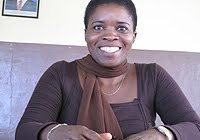 |
Helga Simon, a Social Welfare Officer in Hai District, Tanzania, is proud that the child protection teams in her region are making a difference. |
However, challenges remain. The police have no camera to document the signs of physical abuse on a victim, and cultural barriers in the community can stop children from reporting abuse and attending follow-up visits to the police station due to being too afraid.
Integrated teamwork
In many cases, justice relies solely on a child’s testimony as they are often the only witness to the crime. It’s why teamwork in the justice system is so important.
“There is a lot of networking here in Hai District. When a case comes to the attention of the police, they record details, then contact the social welfare department for psycho-social support,” says Social Welfare Officer, Helga Simon. “We communicate with the hospital and if the child needs medical attention, it is provided free of charge.”
A child protection system provides children with the added protection of having key sectors that form part of children's everyday lives work together in pursuit of a common goal – to prevent and respond to abuse and violence against children.
“They are finding the sum of their collective parts much more effective than when they used to work separately,” explains Andrew Brooks, UNICEF Chief of Child Protection in Tanzania, “each one drawing on their mandated role and specialized knowledge to ensure an holistic and efficient response to the vulnerable child."- By Joanna Martin and Jacqueline Namfua
Sunday, July 3, 2011
Violence against children Campaign

The United Nations Secretary-General's Study on Violence against Children has been a global effort to paint a detailed picture of the nature, extent and causes of violence against children, and to propose clear recommendations for action to prevent and respond to it. This is the first time that an attempt has been made to document the reality of violence against children around the world, and to map out what is being done to stop it. Since 2003, many thousands of people have contributed to the study in consultations and working groups, through questionnaires and in other ways. Children and young people have been active at every level. On 11 October 2006, the UN General Assembly will consider the study's findings and recommendations.
Here is Tanzania we have the opportunity to address this wide spread physical, mental and emotional torture that our children go through, this month will make a country wide campaign on violence against Children, it is wider than you might think, if you know of any child that is in unsafe hands and under violent treatment please do report to the nearest police station or any authority for that matter, Tanzania is a community that we should raise our children with that in mind.
As a jounalist there is much that I can do but the most that I can do is use my camera and TV to expose these conditions and that I will not stop. PLEASE HELP ME EXPOSE THE VIOLENCE AGAINST CHILDREN.
email me on anganilet@gmail.com/ anganilet@yahoo.com and let the world hear and see the stories, and change will come.
Friday, June 24, 2011
African child documentary.
This is a documentary is a 15 minuted 'take out' off a 30 minutes documentary about the problem of children living in the street in Tanzania, the child featured in this documentary is called Hassan Muhammad was later saved and adobted by a nice Tanzanian family as a result of this documentary airing on a national Tv. Do not wait for the world to change, show the change and the world will follow.
The advocacy for every child to get off the street of Dar es salaam and back to the safety of their families in what we are under taking right now, with the help of the ministry of community, Gender and Children we are optimistic we will achieve the aim.
WITO as a non for Profit organization headed by young Tanzanians will also launch a campaign soon that will involve awareness through the media, CHANGE BEGINS WITH IN AND NEVER WITHOUT.
Task force to solving the problem of children living in the street in Tanzania
This year is the year for advocancy, after producing a documentary highlighting the plight of children living in the harsh streets of Dar es salaam, Tanzania. I was lucky enough to be chosen an a member of a task force that will embark on the tough task of finding solution to the problems of street children in Tanzania, the Task force is headed by the Director of children development Madam Tukae E. Njiku
 |
| Tukae E. Njiku Director. Children Development in the ministry of Community development, Gender and Children |
in the ministry of community development, gender and children. We urge all Tanzanians to take part in helping out the children living in the streets for they are our children that have just been let down by the society. Peace and love
Wednesday, June 15, 2011
African Child Day
The International Day of the African Child has been celebrated on June 16 every year since 1991, when it was first initiated by the Organisation of African Unity. It honors those who participated in the Soweto Uprising in 1976 on that day. It also raises awareness of the continuing need for improvement of the education provided to African children.
In Soweto, South Africa, on June 16, 1976, about ten thousand black school children marched in a column more than half a mile long, protesting the poor quality of their education and demanding their right to be taught in their own language. Hundreds of young students were shot. More than a hundred people were killed in the protests of the following two weeks, and more than a thousand were injured.


This year's Africa Child Day is celebrated under the theme 'All Together for Urgent Actions in Favour of Street Children,' focuses on reminding the public on the importance of examining afresh the problem of the street children in the country.
Tanzania, watch a documentary at TBC1, 2100hrs and see the lives of street children in Tanzania. We are part of change and we are the change that is needed in our country.
Subscribe to:
Posts (Atom)